
When a landlord is considering the potential of rooftop solar PV on an asset under management, there are two solutions available:
- Landlord Ownership: The landlord invests in the system and is ultimately responsible for the installation and the ongoing maintenance of the PV system. In practice the landlord would typically contract a third party to install, operate & maintain the PV system.
- Third Party Ownership: A third party owns and operates the PV system, either paying the landlord a rent for the right to sell the power to the tenant or, in instances where there is landlord-controlled electricity consumption, selling the power directly to the landlord at a discounted rate.
There are various pros and cons of these two approaches that we will share in this article.
Sustainability
From a sustainability perspective, there is little difference in the two models in terms of the CO2 abated onsite. Irrespective of whether the landlord or a third party owns the PV system, the electricity generated and consumed onsite from the solar panels is zero carbon.
The distinction arises when it comes to exported electricity. If the third-party operator chooses to rent the roof space and export 100% of the electricity generated to the grid, the landlord would see almost no sustainability benefit from that PV system. Because the electricity generated onsite is not being consumed on-site, the CO2 emissions of the asset, be it landlord or tenant consumption, will not be any lower. Furthermore, the Guarantees of Origin (GOs) for that electricity that is exported back to the grid will be either owned by the third party or by the grid itself. There would therefore be no realistic possibility of the landlord being able to access those GOs to offset emissions elsewhere in the portfolio.
Key sustainability benchmarks such as GRESB are principally concerned about onsite consumption of renewable power and give little credit to landlords for GOs attained through exported electricity. However, for net-zero carbon, where offsetting is a bigger consideration, the distinction between the two ownership models could be significant.
The key items for landlords to consider here is:
- What proportion of onsite generation is likely to be exported to the grid? If it is low then, from a sustainability perspective, there is unlikely to be a big difference between the two ownership models
- Is there a stipulation within the contract with the third-party provider that ensures that they are obliged to continue to sell a certain proportion of the generated electricity to the tenant? This is an important detail in terms of ensuring the future security of those abated Scope 3 CO2 emissions
Financial
From a financial perspective, the difference between the attractiveness of the two ownership models differs greatly depending on whether the generated electricity is being sold to the landlord or a tenant.
In instances where the third party is selling the power directly to the landlord, the financial savings can be considerable and whilst not on a par with landlord ownership, in Net Present Value (NPV) terms, they are typically around 60-70% of the NPV of the equivalent landlord owned PV system, over a 25 year period.
However, when the power is being sold by a third party to a tenant, three parties must be satisfied. The tenant has to be satisfied that they are receiving a price for their power that is lower than the price they are currently paying, the third party has to ensure that they can make a satisfactory return on investment (typically of at least 8% over a 25 year period), and the landlord has to receive a rental on the roof space. With the margins of the project shared between three parties, the roof rental that the landlord can derive from this arrangement is usually relatively low. It is highly variable, based principally on the solar irradiance of the location and the price currently being paid by the tenant, but the maximum a landlord could hope to receive would be around EUR 10/kWp/ year, and that would be for a location with high solar irradiance and either a high tenant electricity tariff, or very generous local subsidies.
In short, if the landlord has the capital, the financial opportunity associated with solar PV is always superior for landlord-owned solutions.
Risk
Whoever owns the PV system bears the future financial risk. That is to say, if the tenant were to go bankrupt, to refuse to extend the PPA contract upon expiry or to simply reduce their consumption to such an extent that they consumed much less onsite generation than originally forecasted, whoever owns the PV system would bear this risk. This risk varies according to the asset class. For instance, during coronavirus, several retailers have been closed for significant periods of time and the electricity generated during this period would therefore have either been sold to the grid at a much lower price or curtailed entirely. However, many industrial logistics assets have seen an increase in consumption over the same period as online retail has increased in popularity. This has led to cases of increased revenue for PPA providers, be they landlords or third parties, as less electricity is exported to the grid and more is consumed onsite.
While the landlord may be reluctant to bear the risk of any potential future vacant periods, or drop-offs in tenant consumption, it is also important to consider the risks associated with having a third party with control over the asset’s roof space. The third party has to protect the yield (kWh/kWp) of the solar PV system, and there will therefore be contractual provisions preventing the landlord from installing anything around the asset that could cause shading. It also imposes restrictions on the asset in terms of future developments. Should the PV system have to be moved or relocated for any reason, there would almost certainly be financial penalties for the landlord.
The key items for the landlord to consider here are:
- Are there reasonable provisions in the contract for roof access for the landlord, for instance to allow for essential maintenance of the roof or the HVAC system?
- What are the stipulations around roof maintenance? Has the third party considered corrective maintenance that needs to occur prior to installation? If corrective maintenance is required post-installation, what is the arrangement with the third party? Is there a financial penalty associated with, for instance, the removal of a panel, if required?
- What would the financial penalties be for the early termination of the contract if, for instance, the landlord (or a future prospective buyer) wanted to expand or redevelop the site?
Longevity Power: Our Role
Whether it’s a landlord or a third-party-ownership model, Longevity Power can support real estate investors in the deployment of PV across the portfolio.
Landlord Owned
Longevity Power is experienced in the project management of turnkey commercial rooftop solar PV installations across Europe. On top of finalising the PV system, and performing both the grid and the planning application, Longevity Power is also experienced in negotiating tenant PPAs and project managing the entirety of the installation.
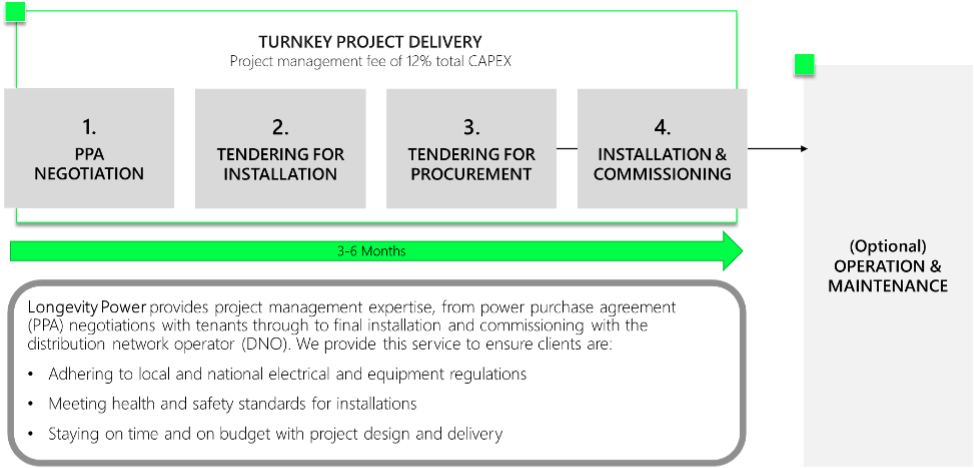
Figure 1: Required Investment, Revenue Potential, and Control of Various Operational Models
Third Party Owned
For third party owned PV systems, Longevity Power can coordinate the various third party installations to ensure quality and consistency of installations:
- Verification that PV design meets best-practice standards both in terms of yield-optimisation and health & safety.
- Due-diligence of contractors / third party providers
- Assessment of financial offer to ensure maximum operating income for the landlord
- Ensure consistency across the portfolio in terms of electrical equipment and crucially, metering technology, to ensure central collation of all generation data.
Longevity Power is a multi-disciplinary energy and sustainability consultancy which supports businesses in their energy transition. We have extensive experience in renewable power feasibility studies and installations. We can help you with sourcing, negotiating, and evaluating corporate PPAs with renewable power projects. For more information on our energy practice, please contact Anthony Maguire at [email protected].