
EV charging demand is growing rapidly throughout many parts of the world, and the business models associated with meeting this demand are changing and adapting with equal speed. With ongoing trends in EV charging in mind, many businesses and landlords struggle to identify where to fit in, and how to balance the risks and benefits of different charging system configurations.
The specifications of EV charging systems (how fast, how smart, and how accessible) will in large part be defined by the dwell time and expected user base at a location. However, one of the more regular questions has been: should I invest in chargers myself, or go through a third party?
The answer is, of course: it depends. There are several components to a charging system which may be owned by the site host or by a third party, and owning or externalising each component is a balance of risk and reward.
What Are the Options and When Do You Deploy Them?
The high-level components of any charging installation can be broken down into three categories:
- Groundworks: all the equipment, capacity and cabling required for the installation, up to the fixture upon which the charger is mounted
- Physical charger(s): the charging station itself
- Charging software/servicing: the back end charging system, enabling data, payments, and network functionality
These components can be owned and operated directly by the site host, or externalised. We highlight four common options ways this is done:
|
Operational Model |
Level of Ownership |
Suitability |
|---|---|---|
|
Fully own and operate |
Full |
Focus on on-site demand, without relying on public users. Ideal for assets with captive demand. |
|
Own physical system with external operator |
High |
Retain control of the physical assets, but also target public users by using a public charge point platform provider. |
|
Own groundworks with rented chargers |
Medium |
Retain full ownership of the on-site groundworks while reducing upfront costs with a rental model. Targets both on-site and public users. |
|
Third party land lease |
Low |
Provide EV charging with minimal in-house planning and expense, but also gives up control over the installation and the financial upside. Most common with rapid charging. |
Figure 1: EV Charging Operation Models
In general, whenever site hosts externalise a component of their system to a 3rd party, they reduce their financial and operational risk, and decrease their revenue and level of control.
|
Operational Model |
CAPEX |
Revenue Potential |
Financial Risk |
Control |
|---|---|---|---|---|
|
Fully own and operate |
High |
High |
High |
High |
|
Own physical system with external operator |
High |
High |
High |
Moderate |
|
Own groundworks with rented chargers |
Moderate |
Moderate |
Moderate |
Moderate |
|
Third party land lease |
Low |
Low |
Low |
Low |
Figure 2: Required Investment, Revenue Potential, and Control of Various Operational Models
Fully Own and Operate
The site host owns and operates the full range of equipment, covering costs of network upgrades, cabling, charging stations, and operation and maintenance including any back-end software.
Pros: Site hosts have full flexibility to choose equipment and back-end services, set prices, identify preferred locations, and manage customer experience. All revenues go to the site host.
Cons: Site hosts bear the full risk associated with an initial investment and are responsible for maintaining the functionality of the charging stations. The charging stations are less visible to public users without being integrated into a charging network.
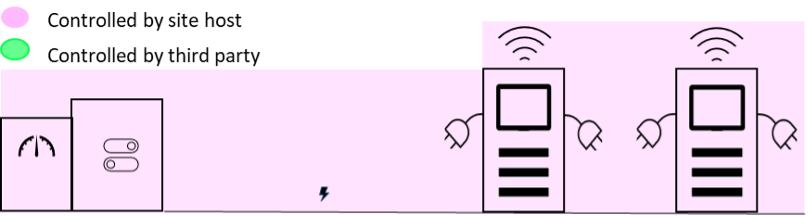
Figure 3: Fully Own and Operate
Own Physical System with External Operator
The site host carries out upgrades and installation for the groundworks and owns the physical charging station. The site host enters a service agreement with a Charge Point Network Operator (CPNO), which assumes responsibility for the back-end operation of the chargers to ensure ongoing functionality and to make the charge points visible on a public charging network if desired. The site host generally shares a portion of revenue or pays a monthly fee as part of the service contract.
Pros: The site host owns the physical system and maintains most of the flexibility from the own and operate model. The administrative and operational burden of managing charging stations is externalised. Chargers are more visible to drivers when they are part of a larger charging network.
Cons: CPNOs will take part of the revenue from the charging system and may restrict some flexibility on price setting for charging.
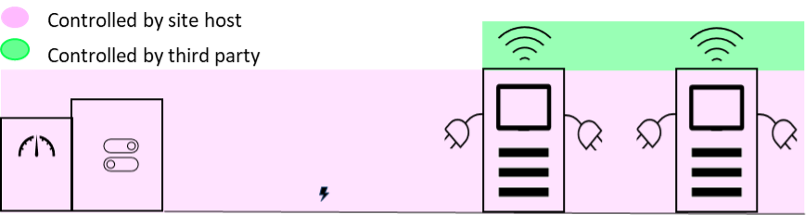
Figure 4: Own Physical System with External Operator
Own Groundworks with Rented Chargers
The site host owns the groundworks for the system up to the charging stations and rents the charging points and back-end services through a third party.
Pros: This reduces upfront investment by removing equipment costs and externalising operations and maintenance (O&M). Suppliers offering this model often offer flexible options to switch out or reconfigure charging equipment. Additionally, because physical stations and back-end systems are procured by the same supplier, there is a lower risk of functional incompatibility between hardware and software.
Cons: Site host does not own the charging stations themselves and deducts daily/monthly equipment rental from potential revenue. Site host will have reduced input into the brand of chargers and back-end system as third-party providers may have preferred partners.
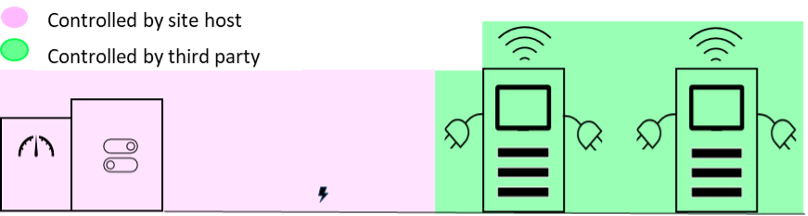
Figure 5: Own Groundworks with Rented Chargers
Third Party Land Lease
The site host contracts with a third party, who installs, owns and operates charging stations (including cabling and network capacity) and who pays the site host a rent for the use of their parking space. This model is most associated with rapid charging.
Pros: This allows site hosts to provide charging services to customers, residents or employees without up-front capital costs or O&M. There is still the opportunity for low-level revenue generation through the rent of parking spaces to the third party.
Cons: Systems are wholly owned by a third party. Site hosts do not have any input on the pricing of the charging service and do not generally share revenues directly. Site hosts also have no decision-making power over the brand of equipment installed. Contracts can be up to 20 years and are generally required to be passed on to new owners if the property is sold.
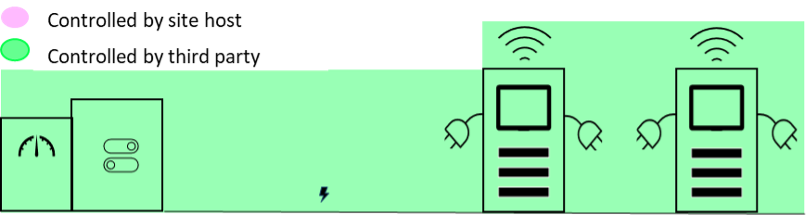
Figure 6: Third Party Land Lease
Balancing Risk and Reward
When site hosts are determining which ownership model is right for them, it is important to identify the end product want to deliver to their employees, customers, or residents, determine the level of control required to meet basic service needs, and the level of liability they are willing to take on for system expenses.
Longevity Power is a multi-disciplinary energy and sustainability consultancy which can support you in this field. We have worked with asset managers to deliver EV charging feasibility studies and installation project management services across Europe. For more information on our energy practice, please contact Daniel Lechner at [email protected].